わたしと民藝の出会い My Encounter with Mingei
広瀬哲也 Tetsuya Hirose
私と民藝の出会いは、苦しみの中にありました。
生まれは富山の兼業農家。幼少期の多くはバブルのなか何不自由なく過ごし、下条川のほとりにある田んぼが遊び場でした。思い返せばその頃は、自然の中で“すべてが生き生きと光り輝く美しい世界”にいる、そう感じていたような気がします。
関東の大学を出てからは漠然と地元に戻り、地方銀行に勤めはじめます。配属されたのは、小さな支店の融資係。素晴らしい上司と職場仲間に恵まれました。一方で、街のすみずみまで染み渡るバブル崩壊後の特有の空気感。営業や不良債権処理の仕事を通じて、これまで知らなかった世間の悲哀を肌で感じることになったのです。
その後、札勘の手さばきも上達しないうち、縁あって広告会社に転職することに。取引先は地方のインフラを担う優良企業や官公庁が多く、激務ながらも刺激的な毎日を送っていました。何年かが経ち、ふとまわりを見渡して目に映った光景。それは、田園を開発してできた安っぽい住宅の群れや、裏山を飲み込むようにして建てられた巨大な工場でした。
「あの頃の美しい世界は、もうないんだな・・・・」
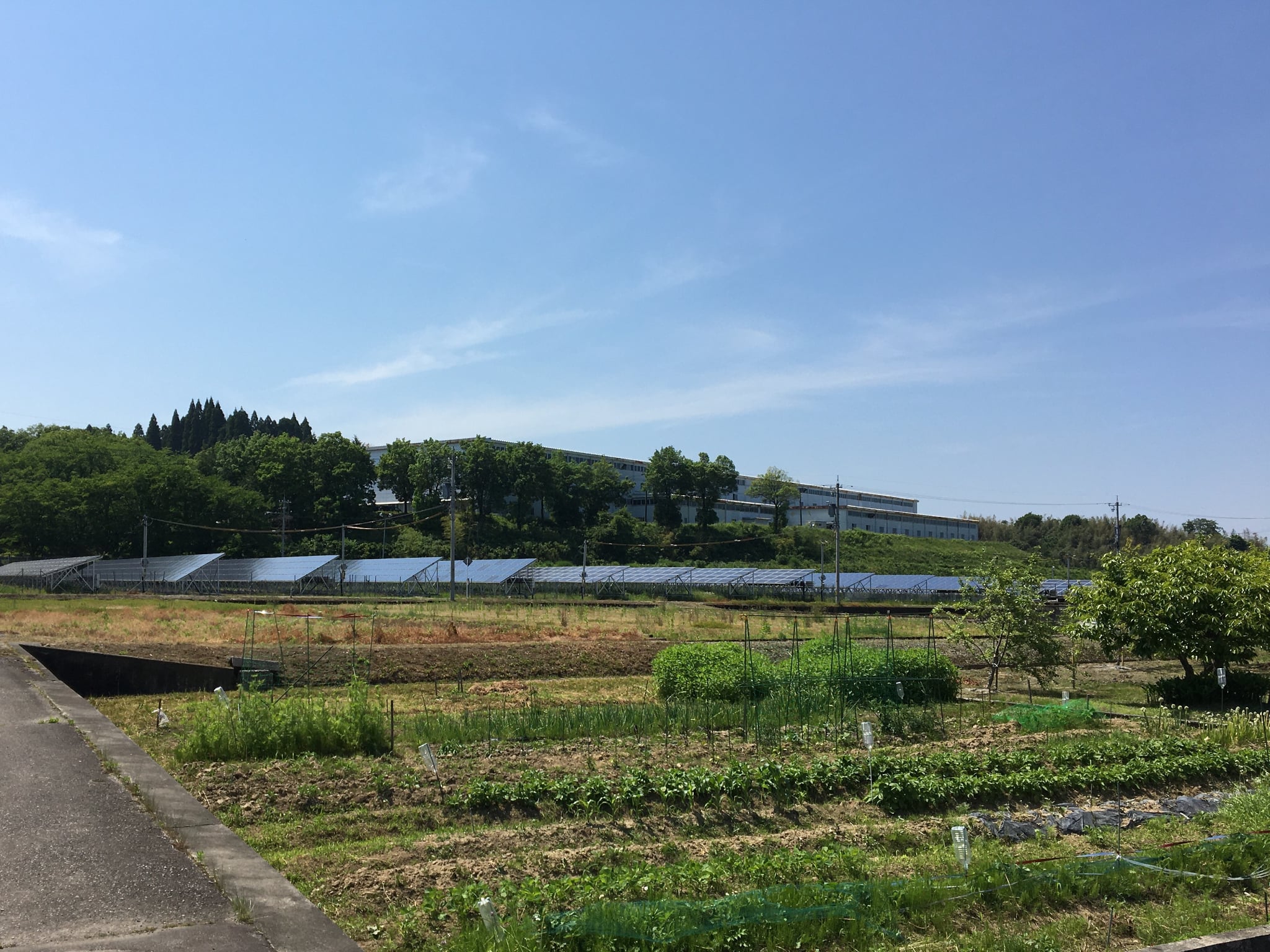
物質的には豊かになったはず。便利で、効率的。たしかにそうかもしれない。けれども、木や石のイミテーションで埋め尽くされた、ニセモノの空間。身のまわりのものをあらためて見た時に、これが本当に豊かな暮らしと言えるのだろうか、という疑問が沸いてきたのです。
100年前に作られた家や家具が、今、新たに作ることができない。どんなにお金をかけても。この事実は、失ったものは何かを、痛切に語っているのでしょう。
そう考えるに至った時、私はこれまでしてきた自分の仕事と向き合うことになりました。かつて感じていた“美しい世界”。そこからどんどん離れていく現実は、他の誰でもない自分たちの仕業なのだと。
「自分の仕事が、世界を醜くすることに加担してしまっている」
美の問題を真剣に考え始めたのは、そのことに気づいたからでした。時には美に背くような仕事をせざるを得ない矛盾のなかで、しだいに悩みは大きくなっていきました。
仕事柄、デザイナーやアーティスト、工芸作家や職人の方々と仕事をご一緒する機会も多くありました。彼ら、彼女らの言動から吸収するものも多分に影響し、幼少期に感じていた“美しい世界”の残像と、現状のギャップを埋められない葛藤が続きました。
そんな折に出会ったのが「民藝」でした。
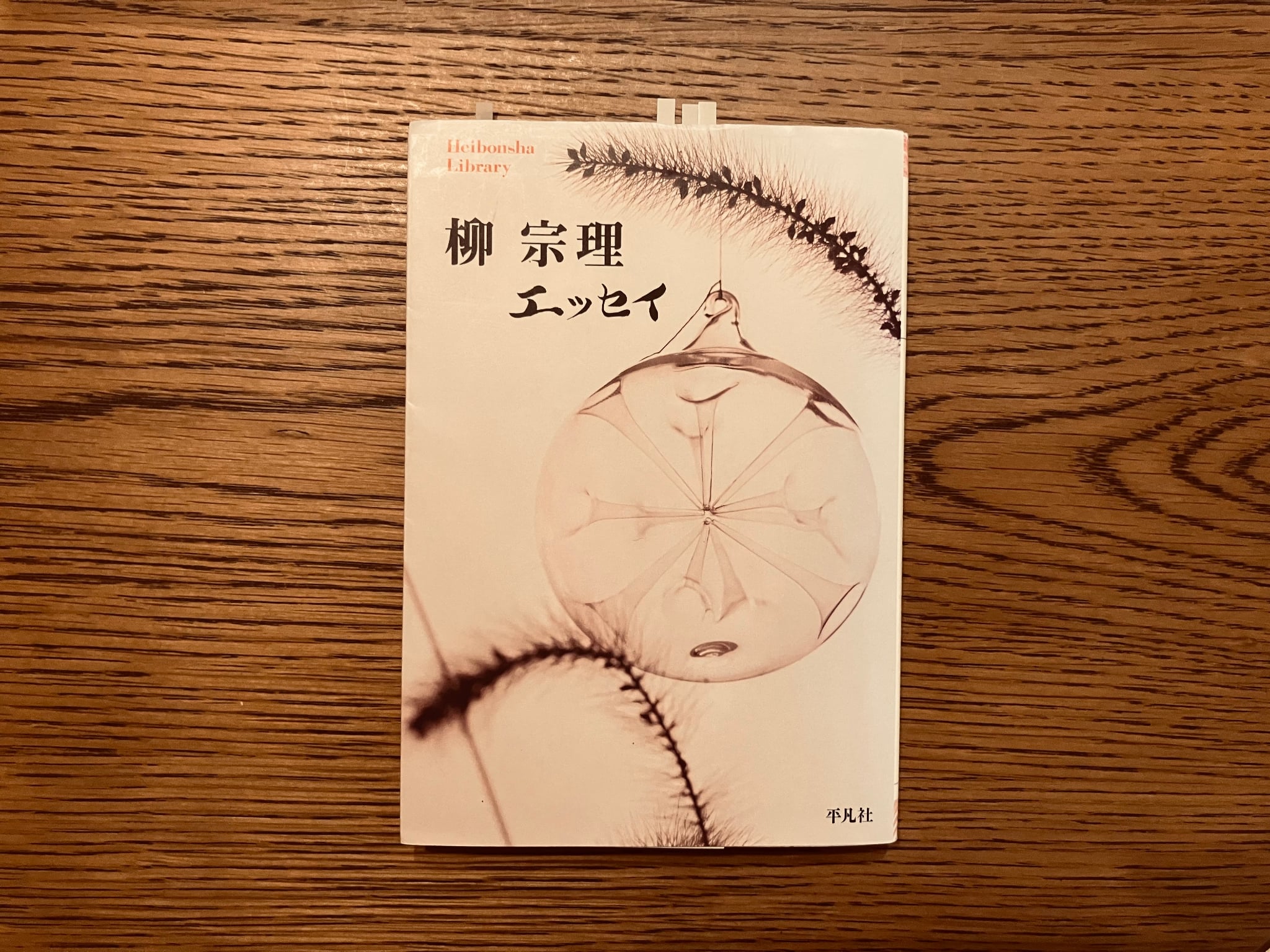
きっかけは、ある本屋でふと手に取った『柳宗理 エッセイ』です。冒頭の一節でこのように語ります。
「近代化が一番早くから進んでいたアメリカは、経済成長が伸びて、オーバープロダクションとなり、浪費の時代に突入していた。激しい商品の競争は、必然とその競争に打ち勝つために如何なる手段も辞さなかった。勿論デザイナーもその中に巻き込まれざるを得なかったことは言うまでもない。即ちデザインは一途にコマーシャルの方向に突入してしまったのである。」(柳宗理『柳宗理 エッセイ』平凡社ライブラリー、2011年)
まさに、自分の問題意識に直結することが書かれていて、すぐに惹き込まれました。そしてその後にこう続きます。
「(中略)ここに登場したのが何でもないデザイン、即ちアノニマス・デザインであったのである。アノニマスという言葉の意味は、辞引を引くと無名という意味らしいが、要するにデザイナーがタッチしていないという意味である。無名と言えばかつての純粋な民藝は無名の作品であった。(中略)その土地土地の生活の用に準じて、忠実に素直に造られているため、健康な平穏な美しさがあった。」(同書)
これが、私としてははじめて本来の意味の「民藝」に出会った瞬間でした。「健康な平穏な美しさ」、その秘密が「民藝」にあるかもしれない、いやきっとある、そう感じたのです。
もともと手仕事のもつおおらかさが好きで、工芸に親しみを持っていました。しかし、この出会いを機に、自分が抱えていた問題意識と「民藝」が直結します。それからは、宗理の父・宗悦の著作へと遡り、民藝にまつわる物や言葉を追いかける旅がはじまりました。
その後、南砺市にある善徳寺、光徳寺、大福寺をはじめとする富山と民藝運動の密接な関わりを知ることに。また多くの民藝同人たちとの温かな交流もあって、この旅の目的地が、というよりは、この旅の過程そのものが、救いになっていることに気づきました。
「これからは、世界は美しいとみんなが感じることができる、そんな世の中になることに貢献できる仕事をしよう」
そう決めて、10年間勤めた広告会社を辞めました。現在は、デザインや工芸、文化財、アート、人文科学などの分野を中心とした企画、執筆、事業運営を生業にしています。
「民藝」は「仏教美学」を、物を通して明らかにしているもの。
「仏教美学」は “すべてが生き生きと光り輝く美しい世界”を、すなわち自然の摂理を明らかにしているもの。
そう考えると、柳宗悦にとって、一部の者だけが救われる権威主義や各地の美しい民族の暮らしをないがしろにする行為に、徹底的に抗うことは必然だったのだとわかります。
誰かと比べられ、何かと競争せざるを得ず、結局何者にもなれなかった。
そんな小さなひとりの、民衆としての幸せだって、たしかにある。もともとある。そしてそれは真の美しさである。この安心を与えてくれた「民藝」、そして「仏教美学」。私はこのことの恩に報いるため、まだまだ旅を続けたいのです。
My encounter with Mingei began in suffering.
I was born into a part-time farming family in Toyama. I spent much of my childhood in the bubble economy, wanting for nothing. The rice fields along the Gejō River were my playground. Looking back, I feel that, at that time, I experienced myself as living in “a beautiful world where everything was vividly alive and shining.”
After graduating from a university in the Kanto region, I vaguely decided to return to my hometown and began working for a regional bank. I was assigned to the lending department of a small branch. I was fortunate to have an excellent manager and wonderful colleagues.
At the same time, however, there was the particular atmosphere that had seeped into every corner of the town following the collapse of Japan's bubble economy. Through sales work and the handling of non-performing loans, I came face to face with the sorrows of society that I had never known before.
Before I had even become particularly skilled at counting and handling stacks of banknotes, an opportunity arose for me to move to an advertising company. Many of our clients were leading companies responsible for regional infrastructure, as well as government agencies. The work was demanding, but every day was stimulating.
After several years, I suddenly looked around me and saw a landscape that had emerged almost unnoticed. There were clusters of cheap houses built by developing what had once been farmland, and enormous factories constructed as though they were swallowing up the hills behind them.
“The beautiful world I knew back then is gone now…”
Materially, we were supposed to have become more prosperous. More convenient. More efficient. Perhaps that was true. And yet, we were surrounded by artificial spaces filled with imitations of wood and stone. When I looked again at the things around me, a question began to rise within me: Can we really call this a truly rich way of living?
Houses and furniture made a hundred years ago can no longer be made today. No matter how much money you spend. Perhaps this fact speaks with painful clarity about what we have lost.
Once I had reached this realization, I was forced to confront the work I had done up to that point. The “beautiful world” I had once experienced was becoming more and more distant. And the people responsible for that were not someone else.
It was us.
“My work is contributing to making the world uglier.” It was because I became aware of this that I began to think seriously about the problem of beauty. As I continued to work within the contradiction of sometimes having to do things that seemed to go against beauty itself, my anguish gradually grew. Because of the nature of my work, I had many opportunities to collaborate with designers, artists, craftspeople, and artisans.
I absorbed a great deal from their words and actions. And yet, I continued to struggle with the gap between the afterimage of the “beautiful world” I had experienced as a child and the reality before my eyes.
It was around this time that I encountered Mingei.
The catalyst was a book I happened to pick up at a bookstore: Essays by Sōri Yanagi.
At the very beginning, he writes:
“In the United States, where modernization had advanced earliest, economic growth led to overproduction, and the country entered an age of waste. The fierce competition between products inevitably meant that no means were left unused in the struggle to win. It goes without saying that designers, too, were inevitably drawn into this process. In other words, design plunged headlong in the direction of commerce.”
(Sōri Yanagi, Essays by Sōri Yanagi, Heibonsha Library, 2011)
What I read spoke directly to the concerns I had been carrying within me, and I was immediately drawn in.
He continues:
“It was here that something appeared: design that was nothing in particular, namely anonymous design. The dictionary tells us that ‘anonymous’ means nameless, but essentially it means that no designer has touched it. In this sense, pure Mingei of the past was anonymous work. Because such things were made faithfully and naturally according to the needs of everyday life in each particular place, they possessed a healthy and tranquil beauty.”
(ibid.)
For me, this was the first moment I encountered Mingei in its original sense. I felt that the secret of this “healthy and tranquil beauty” might lie in Mingei. No, I felt that it must.
I had always loved the generosity and openness of handwork, and had long felt an affinity with craft. But from this moment on, the concerns I had been carrying and Mingei became directly connected.
I began tracing my way back to the writings of Sōri's father, Sōetsu Yanagi. A journey began: a journey in pursuit of the objects and words surrounding Mingei.
Later, I came to learn about the close relationship between Toyama and the Mingei movement, including temples such as Zentoku-ji, Kōtoku-ji, and Daifuku-ji in Nanto City. Through warm exchanges with many people connected to Mingei, I gradually realized something. It was not so much that I was heading toward a destination. The journey itself was becoming a form of salvation.
I decided:
“From now on, I want to do work that contributes to creating a world in which everyone can feel that the world is beautiful.”
With that decision, I left the advertising company where I had worked for ten years.
Today, I make my living through planning, writing, and business operations, primarily in the fields of design, craft, cultural properties, art, and the humanities.
Mingei is something that reveals Buddhist aesthetics through objects.
Buddhist aesthetics reveals “a beautiful world where everything is vividly alive and shining” in other words, the laws of nature.
Thinking this way, I have come to understand that, for Sōetsu Yanagi, his thorough resistance to authoritarianism, in which only a select few are saved, and to the disregard of the beautiful lives and cultures of people throughout the world, was inevitable.
We are compared with others. We are forced to compete with something or someone. And in the end, we fail to become anything in particular.
And yet, there is indeed a form of happiness available to one small individual, simply as one among the people. It was there from the beginning. And it is true beauty. Mingei, and Buddhist aesthetics, have given me this reassurance. To repay the debt I owe to them, I want to continue this journey for a long time yet.