民藝フィルムアーカイブ上映会+トーク一民藝に宿る他力美Mingei Film Archive Screening & Talks(2026.12.22 in京都)
仏教美学研究会主催による民藝フィルム上映会を開催いたします。会員の皆様は割引価格となります。ご参加お待ちしております!
・
柳宗悦らが「民藝」という言葉を生み出してから101年。名もない職人がつくる日々の器や道具に、なぜ「美」が宿るのか。柳が生涯をかけて探究したその問いの先には、浄土真宗の「他力」の教えがありました。富山・城端別院善徳寺で『美の法門』を著した柳は、晩年、仏教に根ざした美の思想を明らかにしようとしました。
本上映会では、民藝の思想と仏教的世界観に触れる作品から、各地の作り手や民藝作家のものづくりの現場を映した作品まで、貴重なフィルムの上映とトークを通じて、民藝に宿る美と、その根底にある仏教や東洋思想とのつながりを探ります。
日程|2026年12月22日(火)
会場|東本願寺「しんらん交流館」 (京都市下京区諏訪町通六条下る上柳町199番地)
プログラム|各回30分前から開場
15:00~17:00 第一部|上映+Marty Gross氏による作品解説
18:00~20:00 第二部|上映+Marty Gross氏+太田浩史氏トーク
料金|各部 3,000円|二部通し券 5,000円|仏教美学研究会会員 2,500円/4,000円
学生割引 1,500円/二部通し券 2,500円
申込み|(会員)イベントページから。(一般&学生)申し込みフォームもしくはメール(仏教美学研究会 bukkyobigaku@gmail.com)
上映作品|
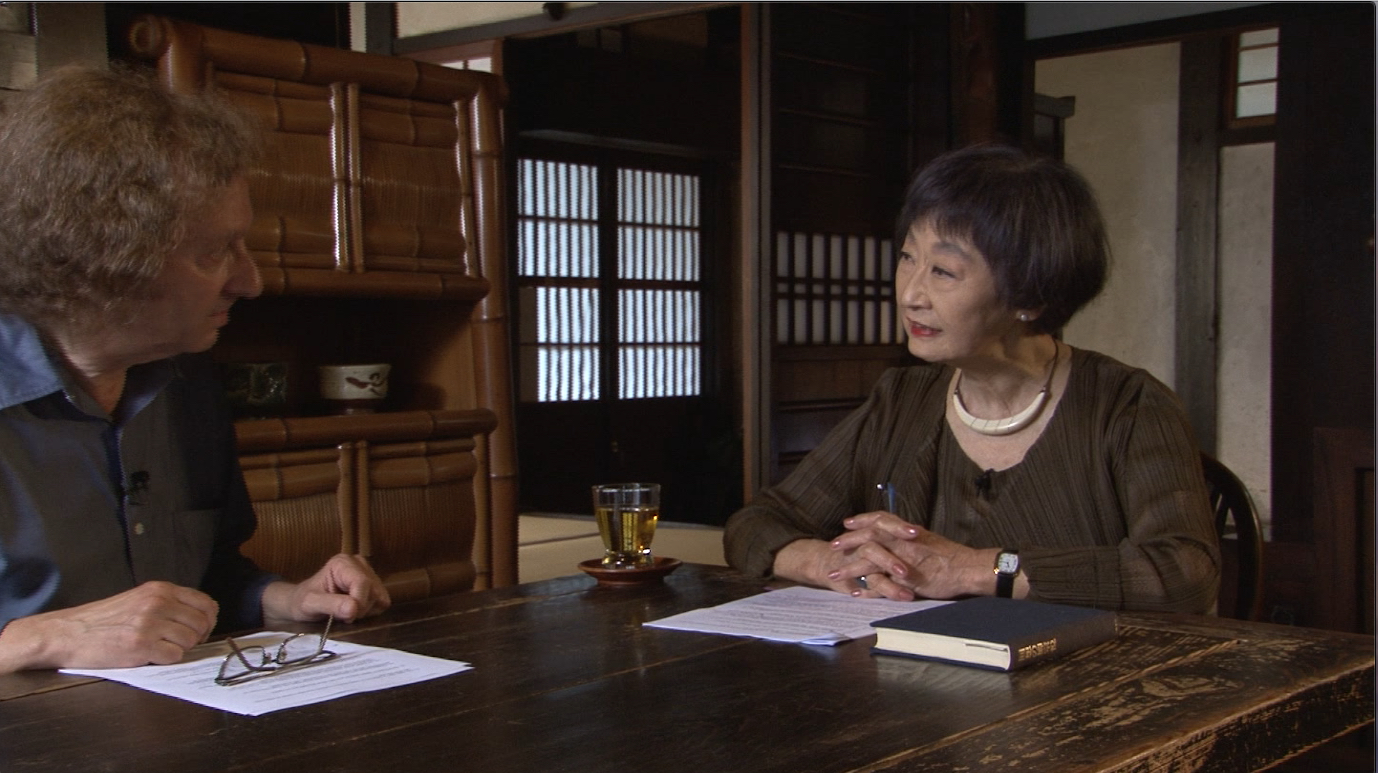
【第1部】鈴木大拙秘書・岡村美穂子インタビュー(2013年)「鈴木大拙との出会い」「柳宗悦と白樺派~民藝運動以前」「柳宗悦と民藝の美」/「沖縄の織物」(1940年)。
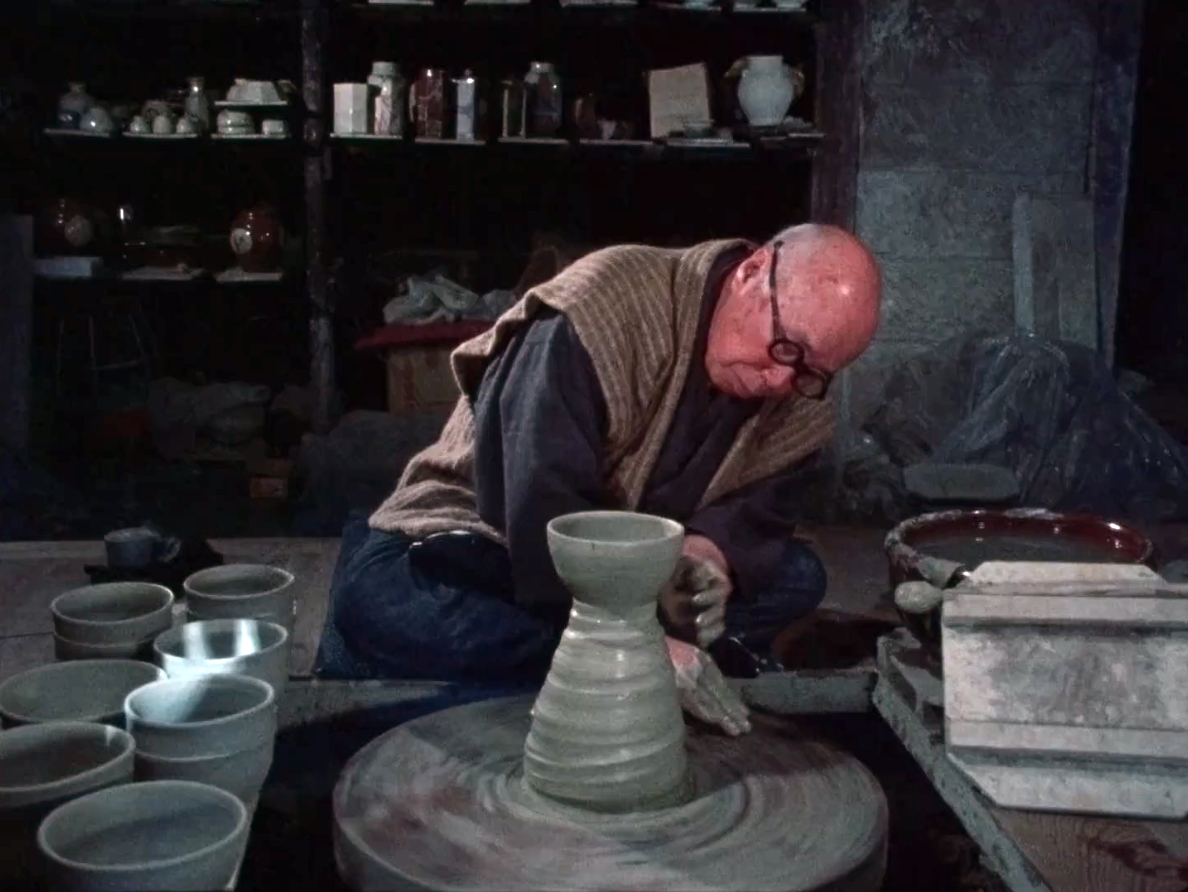
【第2部】鈴木大拙秘書・岡村美穂子インタビュー(2013年)「柳宗悦と鈴木大拙」「『英文版 柳宗悦評論集』と『美の法門』の英訳」「自力と他力」/「濱田庄司 茶碗を作る」(1970年)
主催|仏教美学研究会 共催|民藝フィルムアーカイブ 協賛|東本願寺出版
@Mingei Film Archive
仏教美学研究会
柳宗悦が『美の法門』を書いた城端別院善徳寺内の宿泊施設「杜人舎」で、2025年10月に実施された、民藝と仏教について学ぶ合宿をきっかけに設立された研究会(2026年4月1日設立)。柳宗悦が打ち建てようとした、東洋的価値観に根ざす美学「仏教美学」を継承し、その思想・哲学をひろく発信、仲間とともに暮らしの中で実践することを目的とする。現在、淨謙恵照会長(浄土真宗本願寺派僧侶)はじめ13名の発起人を中心に、主にオンラインコミュニティにて研究発表や会員同士の交流を図っている。
民藝フィルムアーカイブ/マーティ・グロス
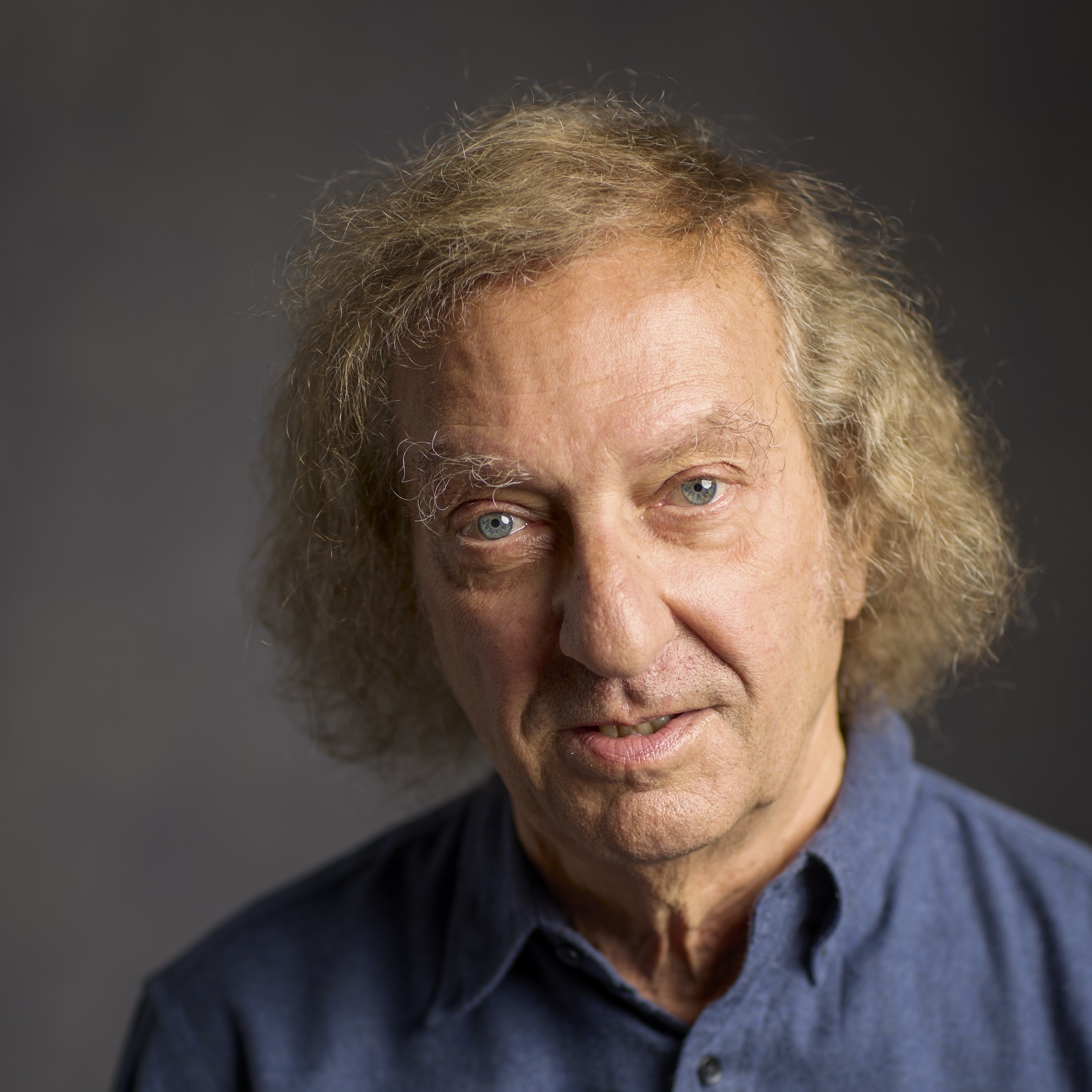
カナダ出身の映画監督・映像作家であるマーティ・グロス氏が主宰する、日本の民藝運動や伝統的な手仕事、職人の暮らしを記録した古い映像資料を収集・デジタル修復・公開するプロジェクト。英国の陶芸家・バーナード・リーチが1930年代に日本各地で自ら撮影した、失われつつある手仕事の16ミリ記録フィルムを託されたことをきっかけにグロス氏が修復を開始、単なるナレーションではなく、現代の現役の職人や関係者らの解説を組み合わせる手法で、その貴重な映像記録を今に蘇らせている。
太田浩史
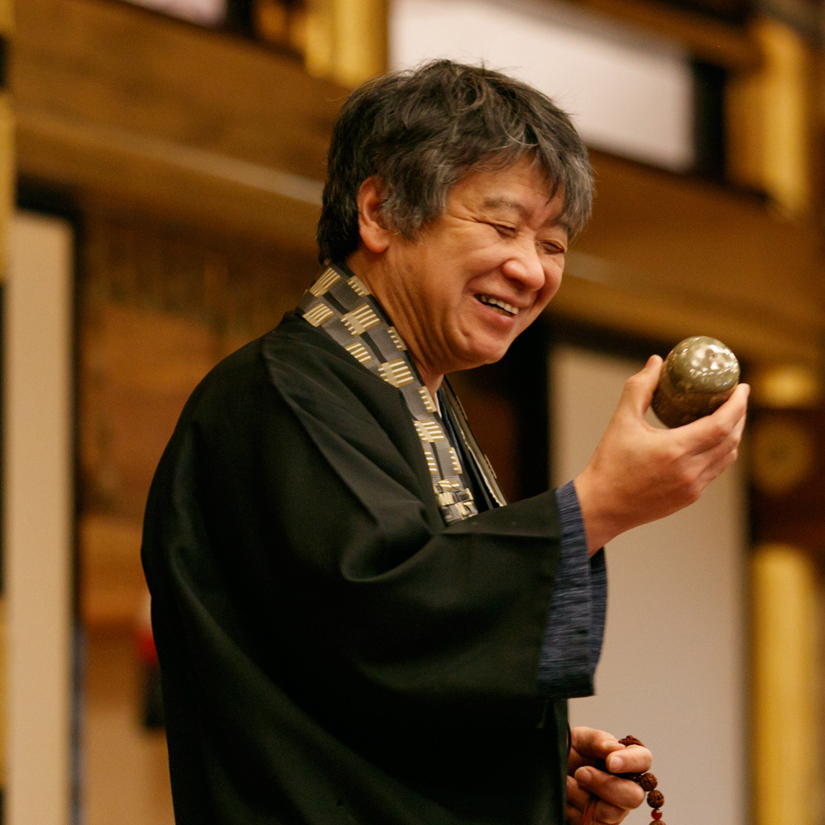
1955年富山県生まれ。真宗大谷派大福寺住職・日本民藝協会常任理事・となみ民藝協会会長。大谷大学文学部卒。2007年から日本民藝協会常任理事を務める。「土徳」をモットーに、地域の風土やお講を大切にした教化の必要性をうったえる。
Mingei Film Archive Screening & Talks -The Beauty of Non-Duality in Mingei
It has been 101 years since Yanagi Sōetsu and his contemporaries coined the term Mingei, meaning folk crafts. Why does beauty dwell in the everyday vessels and tools made by anonymous craftspeople? The question Yanagi pursued throughout his life led him to the Buddhist teaching of Other-Power (tariki) in Jōdo Shinshū, or Shin Buddhism. In his later years, Yanagi wrote The Dharma Gate of Beauty (Bi no Hōmon) at Jōhana Betsuin Zentokuji Temple in Toyama, seeking to articulate a vision of beauty rooted in Buddhist thought.
This screening presents rare archival films, including footage entrusted to the Mingei Film Archive by Bernard Leach. The selection ranges from films exploring Mingei philosophy and the Buddhist worldview to footage documenting craftspeople and Mingei artists at work across Japan. Through screenings and talks, we will explore the connections between the beauty found in Mingei and the Buddhist and broader East Asian philosophies that underpin it.
Date|Tuesday, December 22, 2026
Venue|Shinran Kōryūkan, Higashi Honganji, Kyoto (199 Kamiyanagi-machi, Suwamachi Dori Rokujo Sagaru, Shimogyo-ku, Kyoto City)
Programme|Doors open 30 minutes before each session.
Part 1 | 3:00–5:00 pm
Film screenings and commentary by Marty Gross
Part 2 | 6:00–8:00 pm
Film screenings and a conversation with Marty Gross and Hiroshi Ōta
Admission|Part 1 or Part 2: ¥3,000 Both parts: ¥5,000 / Members of the Society for Buddhist Aesthetics: ¥2,500 per part ¥4,000 for both parts / Students: ¥1,500 per part ¥2,500 for both parts
Screening Programme
Part 1: From Mihoko Okamura: The Background to the Mingei Movement, an interview with Mihoko Okamura, secretary to D. T. Suzuki: “Meeting D. T. Suzuki” (32 min) / “Sōetsu Yanagi and the Shirakaba Group: Before the Mingei Movement” (12 min) / “Sōetsu Yanagi and the Beauty of Mingei” (16 min) / Textiles of Okinawa (1940, 20 min)
Part 2: From interview with Mihoko Okamura: The Background to the Mingei Movement: “Sōetsu Yanagi and D. T. Suzuki” (11 min) / “The English Translation of Sōetsu Yanagi’s Essays and The Dharma Gate of Beauty” (30 min) / “Self-Power and Other-Power” (18 min) / Shōji Hamada Making a Tea Bowl (1970, 23 min)
Registration|(Members) Please register via event page (Others) via registration form or by email at bukkyobigaku@gmail.com (Society for Buddhist Aesthetics)
Organised by: Society for Buddhist Aesthetics Co-organised by: Mingei Film Archive Supported by: Higashi Honganji Publishing
Society for Buddhist Aesthetics
The Society for Buddhist Aesthetics was established on April 1, 2026, following a study retreat on Mingei and Buddhism held in October 2025 at Moritosha, a lodging facility within Jōhana Betsuin Zentokuji Temple, where Yanagi Sōetsu wrote The Dharma Gate of Beauty. The Society seeks to carry forward Yanagi’s vision of a Buddhist aesthetics rooted in East Asian values, to share its ideas and philosophy widely, and to explore how they can be put into practice in everyday life.
Led by its 13 founding members, including Chairperson Jōken Eshō, a priest of the Jōdo Shinshū Hongwanji-ha tradition, the Society hosts research presentations and fosters exchange among members, primarily through an online community.
Mingei Film Archive / Marty Gross
The Mingei Film Archive is a project directed by Canadian filmmaker Marty Gross. It collects, digitally restores, and makes accessible historical film footage documenting Japan’s Mingei movement, traditional handcrafts, and the lives of craftspeople.
Gross began restoring films after receiving a collection of 16mm footage shot by British potter Bernard Leach during his travels throughout Japan in the 1930s. These films capture traditional crafts that were already disappearing. Rather than relying solely on narration, Gross brings the footage to life through commentary by contemporary craftspeople and others connected to the traditions, allowing these invaluable visual records to speak to audiences today.
Hiroshi Ōta
Born in Toyama Prefecture in 1955, Hiroshi Ōta is the resident priest of Daifukuji Temple, a Standing Director of the Japan Folk Crafts Association, and Chairperson of the Tonami Folk Crafts Association. He graduated from the Faculty of Letters at Ōtani University and has served as a Standing Director of the Japan Folk Crafts Association since 2007.
Guided by the concept of Dodoku, the spiritual and cultural character cultivated by the land and its people, he advocates for forms of Buddhist teaching and community engagement that cherish local traditions and o-ko, communal Buddhist gatherings.